Forsíða GÓP-frétta *
Trailer
of an iformative Video 2015
Benjamino's video 2015: Takk
fyrir Iceland
Sofia Elena Rovati´s film:
In Loving Memory of Vigfus
Dr Vigfús Magnússon has been on
the team from the beginning.
He died september 21st 2015.
The name of the file is >> VigfusFilm.mp4
Right-mouse the url and download the
file.
It will take some time as the size of the file is ca. 765MB.
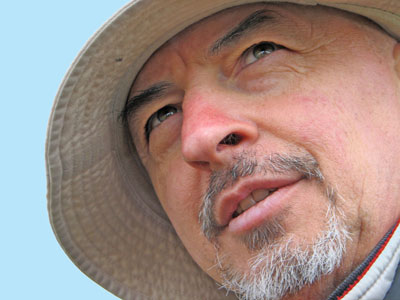
Giancarlo Gianazza
Research In Iceland
03.04.2013
La ricerca in Islanda
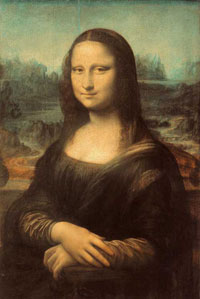
Secrets of Mona Lisa:
on Dante, Beatrice and Iceland
*
Connected articles
in Italian:
La ricerca in Islanda
Dante in Iceland
Destinazione Island
Verso
la Candida Rosa dei Beati
Cavalieri del mistero
English Comments on Cavalieri del mistero
La diritta via
*
* * *
Why?
-
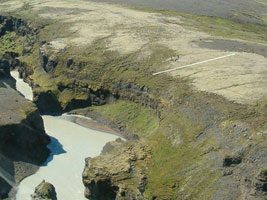
2004 - Location of the natural amphitheatre with Beatrice's Seat.
-
2006 - The fish-shaped rock (about 70 m. from Beatrice's Seat).
-
2008 - Outline of the Holy Shroud on the rock wall facing Beatrice's Seat.
-
2012 - The Eagle's eye of Paradise XX (100 roman cubits from Beatrice's Seat).
There are sufficient elements to conclude that the natural amphitheatre along the Jökulfall River is the one mentioned by Dante as the amphitheatre of the White Rose of the Blessed.
The exact location of the Temple and its entrance have not yet been detected.
Research In Iceland 03.04.2013
La ricerca in Islanda
Source:
http://www.sogestgeo.it/Islanda.htm
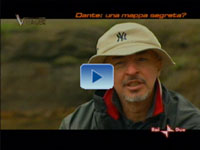
RaiDUE Voyager - 2006
"Dante: una mappa segreta"
parte 1 e 2
Connected article
in English:
The Holy Grail In Iceland?
Published in
Historic Mysteries
on February 10, 2011 By
Didi
Historic Mysteries' introduction:
Didi is an attorney, specializing in
litigation.
She lives in Connecticut but
was born and raised in
Iceland.
Efnisyfirlit
|
Start by reading
|
Fyrst skaltu
lesa þessa samantekt um rannsókn Giancarlo Gianazza: |
||||||||||||||||||||||||||||||||||||||||||||||||||||||||||||||||
|
The Comedy describes a travel to Iceland Dante's Message - |
Divina Comedia lýsir för til Íslands Skilaboð Dante - |
||||||||||||||||||||||||||||||||||||||||||||||||||||||||||||||||
|
|
||||||||||||||||||||||||||||||||||||||||||||||||||||||||||||||||
|
|
||||||||||||||||||||||||||||||||||||||||||||||||||||||||||||||||
|
|||||||||||||||||||||||||||||||||||||||||||||||||||||||||||||||||
|
|
||||||||||||||||||||||||||||||||||||||||||||||||||||||||||||||||
|
|
||||||||||||||||||||||||||||||||||||||||||||||||||||||||||||||||
|
|
||||||||||||||||||||||||||||||||||||||||||||||||||||||||||||||||
|
|
||||||||||||||||||||||||||||||||||||||||||||||||||||||||||||||||
|
|
||||||||||||||||||||||||||||||||||||||||||||||||||||||||||||||||
|
|
||||||||||||||||||||||||||||||||||||||||||||||||||||||||||||||||
|
|
||||||||||||||||||||||||||||||||||||||||||||||||||||||||||||||||
|
|
||||||||||||||||||||||||||||||||||||||||||||||||||||||||||||||||
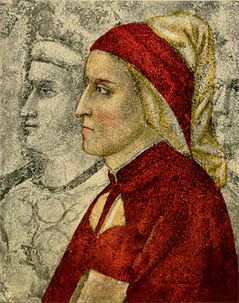
| 1265 - 1321 | |||||||||||||||||||||||||||||||||||||||||||||||||||||||||||||||||
|
málaður af Giotto |
 |
||||||||||||||||||||||||||||||||||||||||||||||||||||||||||||||||
|
Painted in the chapel of the Bargello palace in Florence. |
Málverk í kapellu Bargello hallarinnar í
Flórens. |
||||||||||||||||||||||||||||||||||||||||||||||||||||||||||||||||
|
Hvernig getur staðið á þessu? |
|||||||||||||||||||||||||||||||||||||||||||||||||||||||||||||||||
|
|
||||||||||||||||||||||||||||||||||||||||||||||||||||||||||||||||
|
Giancarlo |
Gianazza | ||||||||||||||||||||||||||||||||||||||||||||||||||||||||||||||||
| offers a hypothesis - that might be proven by finding objects at the site: | hefur tilgátu sem unnt gæti verið að staðreyna ef eitthvað finnst á svæðinu: | ||||||||||||||||||||||||||||||||||||||||||||||||||||||||||||||||
| In the year 1125, something important was found in Jerusalem by the first Knight Templars, probably ancient objects and documents related to the true Christian teachings and the true history of the earliest Christian age. | Árið 1125 fundu fyrstu musterisriddararnir eitthvað mikilvægt í Jerúsalem. Hugsanlega forna muni og skráðar heimildir sem tengdust hinum raunverulegu viðfangsefnum og sögu elstu kristni. | ||||||||||||||||||||||||||||||||||||||||||||||||||||||||||||||||
| For a century these ancient objects and documents were hidden in the south of France. | Í hundrað ár voru þessir hlutir fólgnir í suðurhluta Frakklands. | ||||||||||||||||||||||||||||||||||||||||||||||||||||||||||||||||
|
Saint
Bernard of Clairvaux was at that time the spiritual leader of the Knight
Templars and probably this matter was in his care. In that age it was not possible to talk about the truth since it was too easy to destroy the evidence. |
Heilagur Bernard frá Clairvaux var um þær mundir andlegur leiðtogi musterisriddaranna og hugsanlega var hann gæslumaður þessara muna. Á þeim tíma var ekki unnt að ræða um þessi mál og það sem þau sönnuðu vegna þess að með aflsmun mátti eyða mununum - sem voru sjálf sönnunargögnin. | ||||||||||||||||||||||||||||||||||||||||||||||||||||||||||||||||
| Thus the truth remained hidden, awaiting future generations and the right time. | Sannleikurinn var því fólginn og beið komandi kynslóða og rétts tíma. | ||||||||||||||||||||||||||||||||||||||||||||||||||||||||||||||||
| In the years following 1209, the war against Cathars showed that there was no safe hiding place in the south of France so it was decided that Iceland was the best place where to hide the documents. | Árin eftir 1209 sýndi morðhernaðurinn gegn hinum trúuðu og friðelskandi Kathörum í Frakklandi að þar í landi var ekki lengur neinn öruggur felustaður og þá var ákveðið að best væri að færa munina til Íslands. | ||||||||||||||||||||||||||||||||||||||||||||||||||||||||||||||||
|
80 Knights
helped by Snorri Sturluson found the right place in the Kjolur. |
Árið 1216 segir Sturlunga frá alþingi þar sem
"Snorri reið upp með sex hundruð manna og
voru átta tigir Austmanna í flokki hans alskjaldaðir." Gerum ráð fyrir að þeir hafi notið aðstoðar Snorra til að finna hentugan felustað á Kili. |
||||||||||||||||||||||||||||||||||||||||||||||||||||||||||||||||
| Years later, Dante (1265-1321) was chosen as the poet who could write a poem containing the instructions for future people to find the truth hidden in Iceland. | Nær öld síðar var Dante (1265-1321) fenginn sem skáld til að skrifa í ljóði leiðarvísi fyrir komandi kynslóðir að finna hina földu muni á Íslandi. | ||||||||||||||||||||||||||||||||||||||||||||||||||||||||||||||||
| In the years 1490 - 1520 Botticelli, Leonardo and Raphael put the same information in their masterpieces since masterpieces of art travel in the time and reach future people. | Á árunum 1490 - 1520 settu listamennirnir Botticelli, Leonardo og Rafael sömu upplýsingar inn í verk sín til að gefa þeim upplýsingum fleiri boðleiðir til fólks framtíðarinnar. | ||||||||||||||||||||||||||||||||||||||||||||||||||||||||||||||||
| Our task now is to find the objects and finish the work. | Núna er eftir að finna á staðnum staðfestingu tilgátunnar. | ||||||||||||||||||||||||||||||||||||||||||||||||||||||||||||||||
|
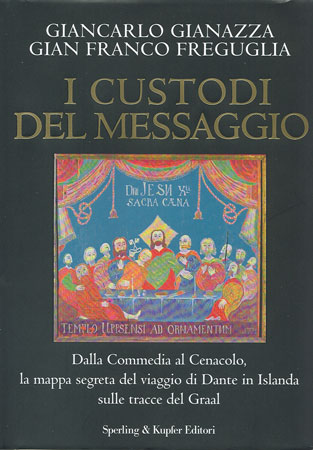
Gæslumenn skilaboðanna |
|||||||||||||||||||||||||||||||||||||||||||||||||||||||||||||||||
|
The key discoveri in history! |
Merkasti lykilfundur sögunnar! |
||||||||||||||||||||||||||||||||||||||||||||||||||||||||||||||||
|
|
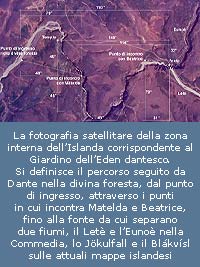
The satellite photo of the area of Iceland that corresponds
to the Garden of Eden in the Divine Comedy. Along the river the way of Dante
in the Divine Forest. |
||||||||||||||||||||||||||||||||||||||||||||||||||||||||||||||||
|
Um hnattlæga lengd og breidd |
|||||||||||||||||||||||||||||||||||||||||||||||||||||||||||||||||
|
In this passage from Questio de Aqua et Terra, Dante is speaking about the Arctic Circle. Per lineam vero latitudinis, ut comuniter habemus ab
eisdem, extenditur ab illis quorum cenith est circulus equinoctialis, usque
ad illos quorum cenith est circulus descriptus a polo zodiaci circa polum
mundi, qui quidem distat a polo mundi circiter XXIII gradus, et sic extensio
latitudinis est quasi LXVII graduum et non ultra, ut patet intuenti. DANTE
ALIGHIERI, Questio de Aqua et Terra, XIX.
In English -
|
Í samantekt sinni Um vatn og jörð, Questio de
Aqua et Terra,
tekur Dante fyrir fimm algengar stoðir fullyrðinga samtímamanna hans um misjafna hæð sjávar og jarðar. Þar á meðal er sá vitnisburður sjómanna að stundum þurfi þeir að klifra upp í siglutré til að sjá til fjalla fjarlægra landa sem þar með séu augljóslega lægri en yfirborð sjávarins. Samantektin er rituð á latínu. Þar tekur Dante hverja rakastoð ítarlega fyrir og hrekur hana. Hér getur þú sótt
samantektina á pdf-skrá Ef þú vilt hana á öðru formi Meðal fjölmargra atriða sem Dante nefnir er 23ja gráða möndulhalli jarðarinnar og þar með norðurheimskautsbaugurinn á um það bil 67. gráðu norðlægrar breiddar. (Til gamans -
|
||||||||||||||||||||||||||||||||||||||||||||||||||||||||||||||||
|
|
|||||||||||||||||||||||||||||||||||||||||||||||||||||||||||||||||
|
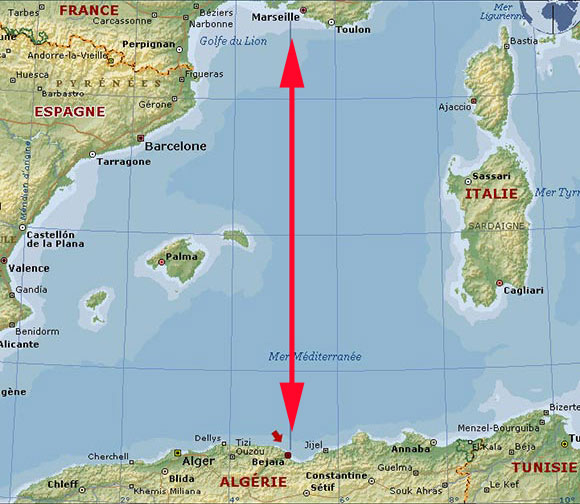
In these verses of Paradise IX Dante affirms that Marseille and Buggea (Béjaïa in Algeria) are almost on the same meridian. Verses 82 - 95.
"The widest valley into which the waters
|
Í Paradise IX
lýsir Dante hvað átt er við
|
||||||||||||||||||||||||||||||||||||||||||||||||||||||||||||||||
Diameter of the Earth in the Convivio (Banquet)
Alfraganus was one of the most famous astronomers
in 9th century. The Earth has a diameter of 6,500 miles and the equatorial
circumference of 20,400 miles (Convivio. III, V, 11).
So according to Alfraganus (and Dante) the circumference of the Earth is about 40,250 km, very close to reality. |
Á 9. öld reiknar Alfraganus ummál jarðar |
|
Ruggero Bacone in the year 1267
wrote to Pope Clemente that he wanted to map all the latin
towns using coordinates, latitude and longitude, as the Arab had already
done for their cities. Dante lived from 1265 to 1321. |
Árið 1267 - þegar Dante var tveggja ára - ritaði Ruggero Bacone Clemente páfa og vildi styrk hans til að skrá hnit, lengd og breidd, allra latneskra borga - eins og Arabar hefðu þegar lokið við að gera um allar sínar borgir. (Toby Lester, The Fourth Part of the World) Dante var uppi frá 1265 til 1321. |
|
Muslim Science Thanks to the Toledo School of Translators the knowledges of astronomy and geography of Muslim science were accessible to Roger Bacon and Dante. In the Twelfth century Gerard of Cremona translated the writings of the Spanish Arab Al-Zarqali, the foremost astronomer of his time. Al-Zarqali carried out a series of astronomical observations at Toledo and compiled them in what is known as his famous Toledan Tables. He corrected the geographical data from Ptolemy and Al-Khwarizmi. Specifically, Al-Zarqali corrected Ptolemy's estimate of the length of the Mediterranean sea from 62° of longitude to approximately correct value of 42°. The Toledo Tables were translated into Latin in the Twelfth century. All subsequent tables for different location in Europe were based on Al-Zarqali's measurements. The Tables of Marseilles (based on the Al-Zarqali Toledan Tables) were also adapted for the meridian of London, Paris and Pisa. An important School of Translators of the thought of Al-Zarqali was also in Marseilles and Montpellier. William the Englishman who lived in Marseilles during the first half of the thirteenth century translated the writings of Al-Zarqali in the year 1231. |
Al-Zarqali og hans vísindalega tillegg í stjörnufræði |
|
* * * Wikipedia: Length * Fornar lengdareiningar Modern metrologist have found the Roman foot to be 16⁄28 of the Nippur cubit: 29,6352 cm.
Notes - Ath.:
|
Forsíða - Front Page * Back to Table of Contents * Top of this page - Efst á þessa síðu